Frozen in Time: The Ancient Nordic Wisdom of Seasonal Cycles and Fermentation
In the modern kitchen, we often view fermentation as a trend. But for the ancient Nordic people, it was a "mechanical necessity"—the difference between surviving the dark winter and succumbing to the elements. At Chef’s Botanica, we believe that understanding these ancestral protocols helps us appreciate the true "Badge of Honor" in the culinary arts: the ability to work in harmony with nature’s timeline.
The Seasonal Timing Protocols
The Nordic foraging calendar was a strict protocol governed by light and temperature. It wasn't just about what was available, but when the plant reached its maximum nutrient density.
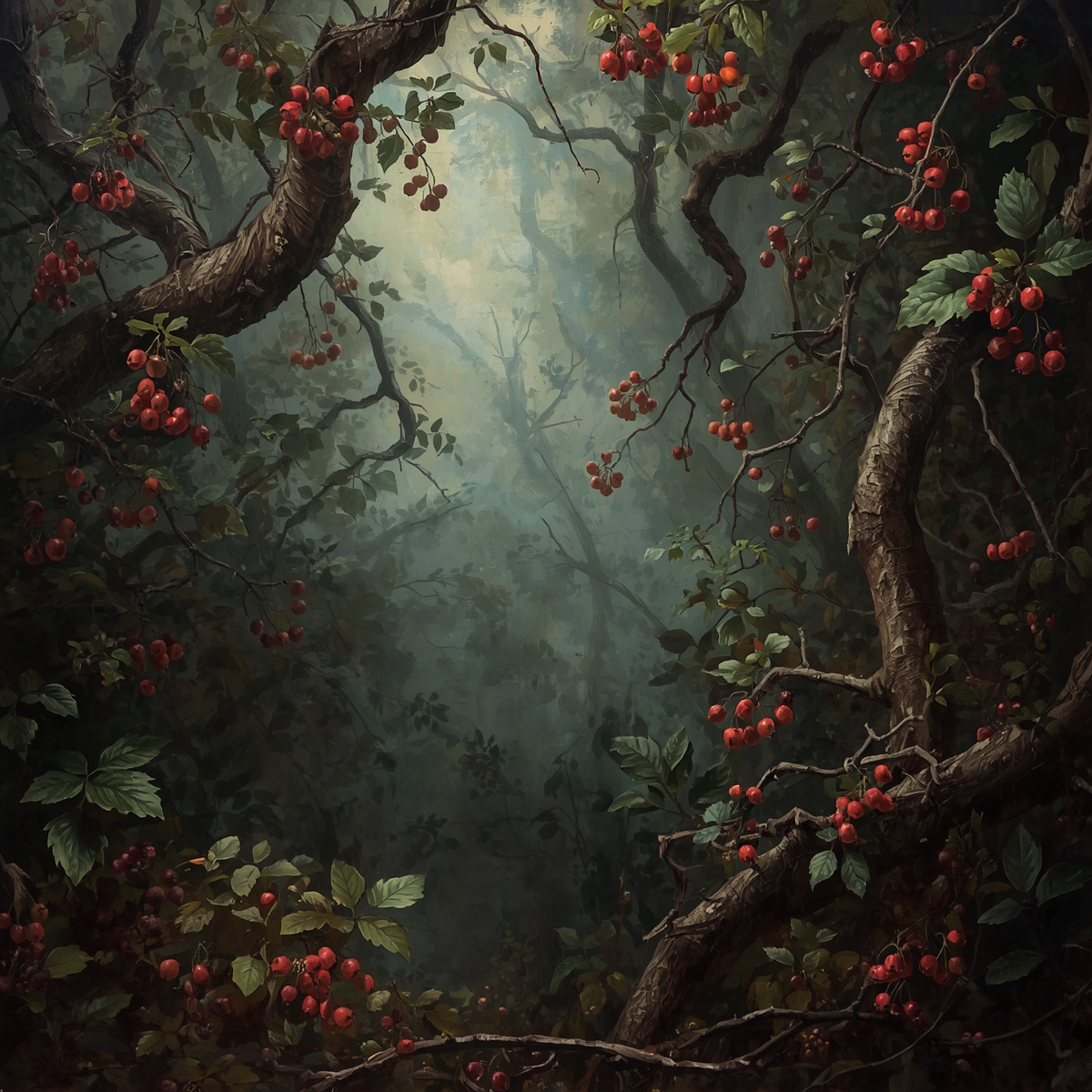
- The Berry Window (July–October): The cycle began with wild strawberries in early June, moving to the antioxidant-heavy bilberries in mid-July. By late August, the focus shifted to lingonberries and cranberries. These weren't just snacks; they were the winter’s primary source of Vitamin C.
- The Lichen Harvest (Year-Round Survival): Reindeer Moss and Iceland Moss were the "emergency rations" of the North. While they could be harvested year-round, they were traditionally sought in the late autumn and winter. Nordic people knew that lichen required specific processing—often involving wood ash or fermentation—to neutralize bitter acids and unlock the complex carbohydrates within.
Deep Fermentation: The Ancient Techniques
Long before we had glass jars and airlocks, the Vikings and their ancestors used the Earth itself as a vessel.
- Earth-Pit Fermentation (Grav): The word gravlax literally translates to "grave-salmon." Ancient practitioners would bury fish or berries in pits lined with pine bark or birch leaves. This anaerobic environment, combined with the natural cool of the Scandinavian soil, created a slow, "sour" fermentation that preserved food for years without salt.
- The Lichen Starter: Lichen wasn't just food; it was a catalyst. Some ancient protocols involved using fermented lichen as a "sour starter" for breads or porridges. The microorganisms found on wild-harvested lichen acted as a natural yeast, breaking down tough grains and making them digestible for a community on the move.
By embracing these ancient protocols, we honor the botanical intelligence that has kept humanity thriving for millennia.